As a wheel tractor supplier who’s spent 12 years in the heavy equipment industry, I get asked one question more than any other by farmers, construction foremen, and fleet managers: “How long will my wheel tractor actually last?” It’s not a trivial question—buying a wheel tractor is a multi-thousand-dollar investment, and you need to know if that investment will pay off in reliable years of work or turn into a headache long before the warranty expires. The truth is, there’s no one-size-fits-all answer, but after walking hundreds of customers through their equipment’s lifespans, I can break down what determines a wheel tractor’s longevity, what you can do to extend it, and when it’s time to start planning for a replacement. Wheel Tractor
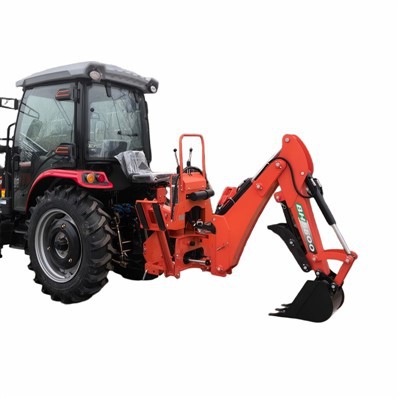
First, let’s set a baseline: what’s the average lifespan of a quality wheel tractor? For most standard models used in general agriculture, light construction, or landscaping, the typical operational lifespan falls between 15,000 and 20,000 hours. For the heavy-duty workhorses—those used for mining, large-scale earthmoving, or commercial logging—that number jumps to 25,000 to 30,000 hours. Wait, 15,000 hours? That sounds high if you’re a small farmer who only runs a tractor 200 hours a year. Let me do the math: 15,000 hours divided by 200 hours a year is 75 years. That’s not a typo—small operators often have tractors that last generations, while a construction crew running their tractor 1,500 hours a year will hit that 15,000-hour mark in just 10 years. That’s why context is everything here. A tractor’s lifespan isn’t measured in calendar years; it’s measured in the time it’s actually put to work.
That’s the first big factor: usage intensity. Let’s break that down. Light usage (fewer than 500 hours a year) usually translates to a longer, more gentle life. A hobby farmer who uses their tractor to till a small garden, move hay bales, and clear brush a few times a month won’t push the engine, hydraulics, or transmission nearly as hard as a construction crew that runs the same model 10 hours a day, 6 days a week, digging foundations in rocky soil. Heavy usage means more stress on every component: the engine’s cylinders and pistons work harder to pull heavy loads, the transmission shifts thousands of times, the tires and axles bear more weight, and the cooling system has to work overtime to prevent overheating. Each time you push a component past its designed limit, you’re adding wear that shortens the tractor’s lifespan.
The second critical factor is maintenance—and this is where I see the biggest difference between tractors that last 10,000 hours and those that last 30,000. In 12 years of servicing customer tractors before launching our own supply line, I’ve seen two extremes: one customer who changes their engine oil every 50 hours (the recommended interval for heavy use) and keeps a log of every filter replacement, fluid flush, and minor repair, and another who waits until the check engine light is flashing to bring it in, skips hydraulic fluid changes entirely, and uses whatever grease is lying around the shop. Guess which one’s tractor is still running like new at 20,000 hours? Maintenance isn’t just a “nice-to-have”—it’s the foundation of a wheel tractor’s longevity.
Let’s get specific about what maintenance matters most. Engine oil is non-negotiable. Engines are made of precision metal parts that rub against each other thousands of times per minute; without clean, high-quality oil, those parts wear out fast. For a wheel tractor engine, I always recommend using the manufacturer’s specified viscosity oil and never exceeding the 100-hour interval for heavy use, or 200 hours for light use. Then there’s the hydraulic system—this is the part that powers your plows, loaders, and attachments, and it’s often ignored. Contaminated hydraulic fluid (from dirt, water, or old, broken-down fluid) can scratch valves, pump components, and cylinders, leading to expensive leaks or total failure. Flushing the hydraulic system every 1,000 hours, and replacing filters with every oil change, adds years to the life of the tractor’s most complex system.
Other key maintenance items include tire care (proper inflation extends tire life by 20% on average), cooling system flushes to prevent overheating and engine damage, and regular inspection of the drivetrain (axles, drive shafts, and transmissions) for loose parts or worn gears. I’ve had customers tell me their 25-year-old tractor still runs perfectly—until they skipped a transmission fluid flush and ended up with a $15,000 repair bill at 12,000 hours. That’s a mistake we work hard to help our customers avoid.
Third on the list of lifespan factors is the type of work the tractor does. A wheel tractor used for pulling hay balers on a flat farm faces far less stress than one used for rock excavation in mountainous terrain, or a log skidder that drags 10,000-pound trees over uneven ground. Extreme conditions—dust, mud, temperature swings (from sub-zero winters to 100+ degree summers), and corrosive materials (like fertilizer or road salt) all accelerate wear. For example, tractors used in dairy farms are exposed to ammonia from barns that can rust metal components, while tractors used in construction are constantly exposed to dust that clogs air filters and engine parts. Manufacturers design heavy-duty models to handle these conditions, but even the best-built tractor will age faster if it’s working in a harsh environment without proper cleaning and protection.
Now, let’s talk about when a wheel tractor is reaching the end of its lifespan. It’s not just the hour meter that tells you—it’s the signs of declining reliability. You might notice more frequent breakdowns, higher fuel consumption, hydraulic leaks that keep coming back, or a decrease in power and lifting capacity. As components wear out, replacing them gets more expensive; at a certain point, the cost of repairs equals or exceeds the value of the tractor itself. That’s the trade-off: repairing an older tractor might be cheaper than buying a new one, but only if the repairs are minor and don’t put you at risk of costly downtime. For example, replacing a worn tire or fixing a small hydraulic leak is a good investment, but replacing an engine at 25,000 hours? It’s usually more cost-effective to upgrade to a newer model.
I always tell customers that proactive planning for the end of a tractor’s life is just as important as maintaining it. Newer wheel tractors come with better fuel efficiency, lower emission standards, and features that reduce downtime, like advanced diagnostics that alert you to issues before they become major problems. But that doesn’t mean a well-maintained older tractor is a bad choice for small operations. I have a personal customer who’s run the same 1998 wheel tractor for 22 years, putting in just 300 hours a year on his vegetable farm. He does all the maintenance himself, runs local biodiesel, and says it’s paid for itself many times over. That’s the beauty of a well-built machine—when used gently and cared for, it can be a multi-generational asset.
Here’s the thing I want to make clear: as a wheel tractor supplier, I’m not here to push you to buy a new one. I’m here to help you understand your tractor’s actual lifespan, so you can make the best decision for your business. That’s why we offer resources on maintenance schedules, hour tracking tools, and even used equipment inspections to help you know if a used tractor will last for your needs. We’ve seen too many customers buy a tractor that’s been run 20,000 hours in heavy construction, then try to use it for light farming, only to have it break down a year later because they didn’t account for usage history.
If you’re currently weighing whether your wheel tractor needs repairs, is nearing the end of its life, or you’re in the market for a new model that will fit your workload, we can help. Our team has years of experience working with tractors of all makes and models, so we can guide you on what to look for in terms of lifespan, maintenance requirements, and the right size for your operations. Whether you’re a small hobby farmer, a mid-sized construction company, or a large commercial farm, we can help you find equipment that will work for you for years to come.
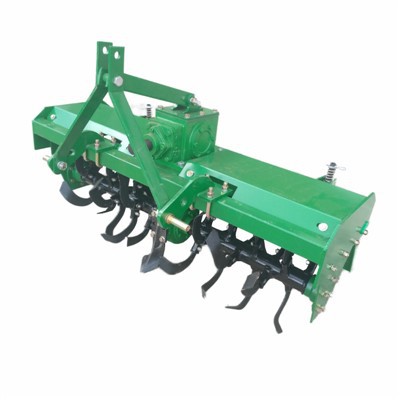
Now, let’s wrap this up with a few key takeaways: A quality wheel tractor’s lifespan ranges from 15,000 to 30,000 hours, depending on usage intensity, maintenance, and work conditions. Light usage and strict, regular maintenance can extend a tractor’s life far beyond the average, while heavy, harsh usage will cut it short. The best way to maximize your tractor’s lifespan is to follow the manufacturer’s maintenance guidelines, track your usage hours, and address small issues before they become expensive repairs. When the time comes to replace or upgrade, choosing a model built for your specific work needs will ensure you get the most value from your investment. If you have questions about your current wheel tractor’s lifespan, need help selecting a new model, or want to learn more about our equipment options, we’re here to assist.
Tractor Attachments References
- American Society of Agricultural and Biological Engineers. (2021). “Lifespan and Maintenance Guidelines for Agricultural Tractors.” ASABE Standard EP496.2.
- Construction Equipment Association. (2022). “Heavy-Duty Wheel Tractor Operational Lifespan Report.” CEA Industry Report Series.
- EquipmentWatch. (2023). “Heavy Equipment Lifespan Database: Wheel Tractors.” EquipmentWatch Market Insights.
- National Institute for Occupational Safety and Health. (2020). “Equipment Wear and Maintenance Impacts on Agricultural and Construction Machinery Longevity.” NIOSH Publication 2020-105.
Shandong Ling Ke Industry Group Co., Ltd.
As one of the most professional wheel tractor manufacturers and suppliers in China, we’re featured by quality products and good price. Please rest assured to buy cheap wheel tractor for sale here from our factory. We also accept customized orders.
Address: 50 Meters West of the Connecting Road Between Jiuma Road and Shima Road, Fangzi District, Weifang City, Shandong Province, P.R.China
E-mail: aileenlin@sdlingkegroup.com
WebSite: https://www.lingketractor.com/
