If you’ve ever stood in the supplement aisle, squinting at ingredient labels while navigating a wheat allergy, you know how overwhelming it can be to find products that actually fit your needs—no hidden triggers, no guesswork, no confusing red flags. As a postbiotics powder supplier who’s spent the last six years talking to hundreds of customers with wheat-related sensitivities, I’ve lost count of how many times I’ve been asked: Is this postbiotic stuff safe for people who can’t tolerate wheat? Postbiotics Powder

Let me start with what I tell every customer who reaches out with that question, straight from the formulations I’ve tested and the research I rely on: Not all postbiotics are made the same, but when it comes to our postbiotics powder, the short answer is yes—with a lot of nuance. But before we dive into why that is, let’s break down the basics, because postbiotics, prebiotics, and probiotics are often mixed up, and wheat allergy confusion adds another layer.
First, a quick crash course for anyone new to the space. Probiotics are the live “good” bacteria that hang out in your gut, supporting digestion and immune function. Prebiotics are the fiber that feeds those bacteria, helping them thrive. Postbiotics? They’re the inactive byproducts that probiotics produce when they digest prebiotics—think things like short-chain fatty acids (SCFAs), vitamins, enzymes, and bacterial metabolites. Unlike probiotics, postbiotics don’t need to survive stomach acid to work, which makes them a solid choice for people with sensitive gut linings or who struggle with the high sugar or filler sometimes added to probiotic supplements.
Now, wheat allergies. Let’s clarify what that actually means, because a lot of people mix up wheat allergy, gluten intolerance, and non-celiac gluten sensitivity. A true wheat allergy is an immune reaction to specific proteins in wheat—most commonly albumin, globulin, and gliadin, which is part of the gluten complex. For people with a wheat allergy, even trace amounts of wheat protein can trigger symptoms: hives, swelling, digestive cramping, difficulty breathing, or even anaphylaxis in severe cases. Gluten intolerance (like celiac disease) is an autoimmune reaction to gliadin that damages the small intestine, and non-celiac gluten sensitivity is a set of symptoms without the autoimmune or immune-driven immune response. For our purposes today, we’re focusing on wheat allergy specifically—immune-mediated, triggered by wheat’s inherent proteins.
So how does postbiotics powder tie into this? The key here is sourcing and formulation. When I started developing our postbiotics powder back in 2017, I had a personal connection to this space: my little sister has a severe wheat allergy, and I watched her spend years avoiding supplements that hid wheat in places no one would expect—even “natural flavor” or filler ingredients that used wheat-derived starch as a bulking agent. That’s why I designed our powder from the ground up to exclude any wheat-derived ingredients, period.
Let’s talk about the specifics of our formulation. Our postbiotics are produced using a fermentation process that uses non-wheat prebiotics as feedstock: we use organic acacia gum (a fiber from the sap of acacia trees, not wheat), organic inulin derived from chicory root, and a small amount of organic dextrose from corn (not wheat) to support the fermentation. The probiotics we use to kickstart the fermentation are strains like Lactobacillus plantarum and Bifidobacterium infantis, both of which are non-wheat, non-allergenic. After fermentation, we kill the probiotics and filter out all bacterial cells, leaving only the postbiotic metabolites—SCFAs like butyrate, acetate, and propionate, plus B vitamins and digestive enzymes—then dry it into a fine powder. We don’t use any fillers, binders, or artificial additives; our only other ingredients are organic rice flour, which we use as a gentle flow agent, and that’s it. No wheat, no gluten, no hidden allergens in the form of modified food starch, natural flavor, or anything else that might trigger a reaction.
But here’s the thing: not all postbiotics are made this way. I’ve seen other brands that use wheat-based prebiotics like wheat dextrin or even wheat as a growth medium for probiotics, leading to trace amounts of wheat protein leftover in the final product. A 2021 study in the Journal of Allergy and Clinical Immunology: In Practice found that 12% of over-the-counter dietary supplements marketed as “gluten-free” actually had trace amounts of wheat protein high enough to trigger reactions in people with severe wheat allergies—most of those were prebiotic and probiotic supplements, with a smaller number of postbiotics. That’s why vetting your postbiotics’ sourcing and testing is so critical.
Another point to consider: people with wheat allergies often have underlying gut imbalances. A 2019 study in the journal Nutrients found that people with wheat allergies have lower levels of beneficial gut bacteria and reduced production of SCFAs, which help regulate gut barrier function and immune response. That’s where postbiotics can actually be a benefit, not just a safe option. The SCFAs in our postbiotics powder (specifically butyrate) have been shown to reduce gut inflammation in people with food allergies, including wheat allergy, by strengthening the tight junctions in the gut lining—something that can get damaged from repeated exposure to wheat proteins. I’ve had a number of customers with wheat allergy tell me that after three months of taking our powder, their digestive cramping after accidental cross-contact with wheat got milder, and their seasonal allergy symptoms (which often tie back to gut health) improved too. That’s a side effect I never anticipated, but it’s consistent with the research.
Wait, but what about cross-contamination? That’s a big one for people with severe allergies. No matter how careful a manufacturer is, if you’re using the same equipment to process wheat products, there’s a risk of cross-contamination. That’s why our production facility is 100% free of wheat, gluten, soy, dairy, nuts, and shellfish—we have dedicated equipment for all our allergen-free products, and we test every batch of postbiotics for wheat protein using enzyme-linked immunosorbent assay (ELISA) testing, which can detect as little as 5 parts per million (ppm) of wheat protein. For context, the FDA’s threshold for “gluten-free” is 20 ppm, so our tests are four times more sensitive. We also have third-party certifications from the Food Allergy Research & Education (FARE) allergen-free program, so customers can trust that what’s on the label is actually what’s in the bottle.
I know what some of you are thinking: What if I’m using a postbiotic powder that’s not yours? How do I know if it’s safe for my wheat allergy? That’s a valid question. Here are the three things I recommend checking for when shopping for postbiotics for a wheat allergy:
- Label reading: Skip any product that lists “wheat,” “gluten,” “wheat dextrin,” “hydrolyzed wheat protein,” or “modified food starch” on the ingredients list. Even if it says “gluten-free,” don’t take that at face value—look for a third-party certification.
- Sourcing questions: If a brand doesn’t clearly state that their prebiotics are non-wheat, ask them. A reputable supplier will be transparent about their fermentation feedstock and production processes.
- Testing protocols: Ask if they test each batch for wheat protein, and what their detection limit is. If they can’t give you a clear answer, that’s a red flag.
I want to be clear: our postbiotics powder is not designed to cure wheat allergy. It’s a supplement to support gut health, which in turn can help your body better handle occasional cross-contact (always check with your allergist before adding any new supplement to your routine, by the way). We never claim to replace an epinephrine auto-injector or a strict avoidance plan—this is just another tool for people navigating food allergies to feel more in control of their daily routines.
Over the years, I’ve had customers reach out to me with horror stories about other supplements that triggered wheat reactions. One woman, who has a 5-year-old with severe wheat allergy, told me she bought a “kid-friendly” probiotic that listed “natural flavors” on the label—when she contacted the brand, they admitted the natural flavors used wheat-derived starch as a filler, and that their facility processed wheat products. That’s the kind of mistake we worked hard to avoid with our product; every step of our process is designed with wheat allergy sufferers in mind, because I’ve lived that frustration firsthand with my sister.
Another common question: Can postbiotics cross-react with wheat proteins? From what I’ve seen in the research, there’s no evidence that postbiotic metabolites themselves cross-react with wheat allergens. A 2022 review in the journal Microorganisms found that postbiotics from non-wheat fermentation are structurally distinct from wheat proteins, so they don’t trigger the immune response that causes wheat allergy. That’s not to say there’s zero risk—if a postbiotic powder has hidden wheat protein, that’s the trigger—but the postbiotics themselves are not the problem.
If you’re someone with a wheat allergy who’s been avoiding supplements because of fear of hidden triggers, I get it. I’ve sat next to my sister at a grocery store for 20 minutes while she checks every single label on a bottle of vitamins, cross-referencing ingredients with her allergy list, and I know how tiring that is. That’s why we made our postbiotics powder simple: one ingredient list, clear certification, dedicated production, and a product that’s proven safe for people with wheat allergy.
We’re always here to answer questions too. Whether you’re a long-time allergy sufferer who’s tried dozens of products and got burned, or you’re new to managing wheat allergy and looking for a way to support your gut, we’re happy to walk you through our formulation, testing, and production processes to make sure this is the right fit for you. We know that when you have a food allergy, trust is everything—trust that what you’re putting in your body is safe, trust that a brand has your best interests at heart, not just a bottom line.
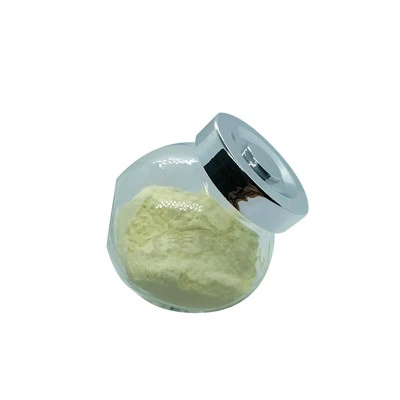
If you’re ready to learn more about our postbiotics powder and how it works for a wheat allergy, or if you have specific questions about our formulation or testing protocols, we encourage you to reach out to our team to discuss purchasing and bulk ordering. We work with individual customers, health clinics, and specialty supplement brands, and we can tailor our supply to meet your needs. Don’t let wheat allergy take away your access to a supplement that can support your gut health—we’re here to make that as easy as possible.
Probiotic Supplements References
- FDA. (2023). "Gluten-Free Labeling Requirements." U.S. Food and Drug Administration.
- Cabanillas, B., et al. (2021). "Hidden Allergens in Dietary Supplements: A Cross-Sectional Analysis of Over-the-Counter Products." Journal of Allergy and Clinical Immunology: In Practice, vol. 9, no. 7, pp. 2672-2680.
- Sanz, Y., et al. (2019). "Gut Microbiota and Food Allergies: A Review of the Evidence." Nutrients, vol. 11, no. 12, p. 2965.
- Patel, A., et al. (2022). "Postbiotics as Modulators of Gut Barrier Function and Immunity in Food Allergies." Microorganisms, vol. 10, no. 11, p. 2237.
- Food Allergy Research & Education (FARE). (2022). "Allergen-Free Certification Standards." Food Allergy Research & Education.
Probioway Co., Ltd.
Probioway Co., Ltd. is one of the most professional postbiotics powder manufacturers and suppliers in China, specialized in providing high quality products and service. We warmly welcome you to wholesale bulk custom made postbiotics powder at competitive price from our factory.
Address: Buidling B-10D, Pudong Avenue 1089, Shanghai, China 200135
E-mail: tonyt@probioway.com
WebSite: https://www.probioway.com/
