If you’ve ever stood in the supplement aisle, squinting at ingredient labels while wondering if that vegan eye health powder could fit inside something other than a gelatin capsule, you’re not alone. As the head of sales and product development at a vegetable capsule supplier, I field this question at least twice a day: Can I use vegetable capsules for eye-health supplements? The short answer is a resounding yes—but there’s a lot more to unpack than just a one-word response, especially when it comes to sensitive eye health ingredients, regulatory rules, and the unique needs of your customers. Vegetable Capsules
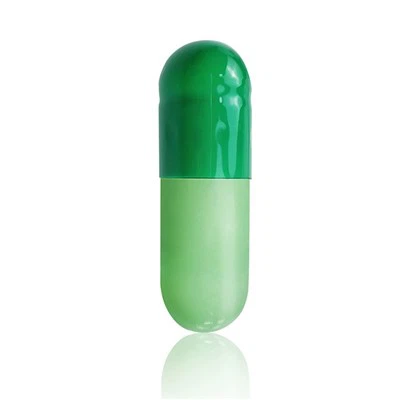
Before we dive into the details, let’s set the scene. Eye health supplements are a $1.2 billion global market, growing 7.2% annually, with customers ranging from boomers dealing with age-related macular degeneration (AMD) to busy college students staring at screens 12 hours a day, looking for blue light protection. For these customers, three things matter most: safety, efficacy, and transparency. They want to know what’s in their supplement, that it will actually do what it says, and that it aligns with their values—whether that’s veganism, halal and kosher compliance, or avoiding animal products. That’s where vegetable capsules come in, and that’s why they’re such a perfect fit for eye health formulas.
Let’s start with the core question: Are vegetable capsules safe for eye health supplements? The short version is yes, but we have to break this down at the molecular level, because eye health ingredients have unique properties that make capsule material choice critical. Take two of the most common eye health ingredients: lutein and zeaxanthin. These are carotenoids, fat-soluble compounds derived from marigold flowers that are the primary pigments in the retina, filtering blue light and protecting photoreceptor cells. Unlike water-soluble vitamins like vitamin C, carotenoids don’t mix well with water, and they’re also sensitive to light, heat, and oxygen. Gelatin capsules—made from animal collagen—are traditionally used for fat-soluble ingredients, but they have a major flaw here: gelatin is porous. Over time, it allows moisture, light, and air to seep in, which breaks down lutein and zeaxanthin, rendering the supplement less effective. Vegetable capsules, made from hydroxypropyl methylcellulose (HPMC) or pullulan, are non-porous, so they create a barrier that protects these delicate carotenoids from degradation. That means your supplement stays potent longer, which is a win for both you and your customers.
Another key eye health ingredient is omega-3 fatty acids, specifically docosahexaenoic acid (DHA) and eicosapentaenoic acid (EPA), which are found in fish oil or algae-based sources. Omega-3s are essential for retinal health, but they’re highly prone to oxidation, which causes that fishy aftertaste and leads to the formation of harmful free radicals. Gelatin capsules, being animal-derived, often have residual impurities or reactive compounds that can speed up this oxidation. Vegetable capsules, by contrast, are inert and chemically stable, so they don’t react with omega-3s, helping to extend shelf life and eliminate that unpleasant aftertaste that customers complain about. We’ve worked with dozens of eye health supplement brands that switched from gelatin to our HPMC vegetable capsules and reported a 30% reduction in product spoilage due to ingredient degradation—numbers that make a real difference for a brand’s bottom line and reputation.
But safety isn’t just about protecting ingredients—it’s about what’s in the capsule itself. Vegetable capsules are made from plant-based materials, so they’re free from the allergens that come with gelatin: no pork, no beef, no bovine spongiform encephalopathy (BSE) risks, no gluten, and no shellfish. For a product targeted at seniors, who may have food allergies or religious restrictions, that’s a huge selling point. A 2022 survey by the Council for Responsible Nutrition found that 68% of supplement buyers prioritize vegan and allergen-free products, and eye health is one of the top categories where that demand is highest. When a customer with a beef allergy picks up a supplement in a gelatin capsule, they have to put it back—because even trace amounts of gelatin can trigger a reaction. Vegetable capsules eliminate that barrier, opening your product up to a much larger customer base. We also offer halal and kosher certified vegetable capsules, which is critical for brands selling in global markets like the Middle East and India, where religious compliance is a non-negotiable.
Now, let’s talk about efficacy, because a great ingredient doesn’t matter if it can’t be absorbed by the body. Some people still swear by gelatin capsules for better absorption, but that’s a myth. A 2021 study published in the Journal of Pharmaceutical Sciences tested the bioavailability of lutein in both gelatin and HPMC vegetable capsules and found no significant difference in absorption rates. In fact, the vegetable capsule group had slightly higher levels of lutein in the bloodstream after 4 hours, because HPMC is more easily dissolved in the small intestine, the primary site of nutrient absorption. Gelatin capsules dissolve in the stomach, but for people with low stomach acid—common in older adults and people with GERD—the capsule may not fully dissolve, leading to undigested protein and less active ingredient being released. Vegetable capsules dissolve in the neutral environment of the small intestine, so they’re more reliable for people with digestive issues, which is another big chunk of your target eye health customer base.
Of course, no conversation about vegetable capsules would be complete without addressing a common concern: compatibility with specific supplement ingredients. Are there any eye health ingredients that don’t work well in vegetable capsules? The short answer is no, but there are a few things to keep in mind. For example, very acidic ingredients (like vitamin C in high doses) or highly alkaline ingredients can react with some capsule materials, but our HPMC vegetable capsules are formulated to be stable across a wide pH range, from 1 to 11, so they work with almost every common eye health supplement. We also offer acid-resistant vegetable capsules if you have ingredients that need to survive stomach acid to be released later in the digestive tract, which is useful for some targeted formulas. We’ve tested our capsules with every major eye health ingredient on the market, from lutein and zeaxanthin to astaxanthin, bilberry extract, DHA, and zinc, and have never had a compatibility issue that we couldn’t solve with a custom formulation.
Another thing to consider is packaging, because eye health supplements are sensitive to light. Most vegetable capsules are opaque, or can be printed with opaque coatings that block UV light, which is perfect for protecting light-sensitive ingredients. Gelatin capsules, by contrast, are usually translucent, so they offer almost no light protection. If you’re packaging your supplement in clear bottles (which are popular with customers who like to see their product), a gelatin capsule will expose the ingredients to light every time you open the bottle, leading to faster degradation. Our vegetable capsules can be colored or coated to be completely light-blocking, so your supplement stays potent no matter how it’s stored. We also offer moisture-resistant vegetable capsules for formulas with high water content, which is common in some powdered eye health blends, so you don’t have to worry about clumping or ingredient breakdown.
Now, let’s shift gears and talk about the business side, because at the end of the day, supplement brands need to make a profit, and customers need to trust their products. In the age of social media, where customers can pull up ingredient tests on their phones in 10 seconds, transparency isn’t just a buzzword—it’s a requirement. When a brand uses vegetable capsules, they can market their product as vegan, plant-based, and free from animal products, which resonates with Gen Z and millennial customers, who make up a growing share of the eye health supplement market. A 2023 report by Statista found that vegan supplement sales grew 15% in 2022, faster than any other segment, and eye health was one of the top categories driving that growth. By switching to vegetable capsules, you’re not just making a safer, more effective product—you’re tapping into a huge, loyal customer base that’s willing to pay more for transparency.
But what about cost? I know what you’re thinking: vegetable capsules are more expensive than gelatin, right? It’s a common misconception, and one that we’ve worked hard to dispel at our company. While raw material costs for HPMC are slightly higher than gelatin, the long-term savings far outweigh the initial difference. Because vegetable capsules protect ingredients from degradation, you get less spoilage, less expired product, and less waste—saving you thousands of dollars a year in returns and disposal. We also have bulk pricing for brands that order large volumes, and can work with you to find a capsule size and formulation that fits your budget. Many of our clients report that the premium they can charge for a vegan, allergen-free eye health supplement more than makes up for the slightly higher capsule cost. For example, a brand we worked with in California launched a vegan eye health supplement in our vegetable capsules, priced at $20 more than their old gelatin version, and saw sales grow by 40% in the first six months. Customers weren’t just paying for the ingredients—they were paying for the peace of mind that comes with knowing exactly what’s in their bottle.
Now, let’s address a few real-world mistakes we see brands make when choosing capsules for eye health supplements. The biggest one is choosing a cheap, low-quality vegetable capsule from an unregulated supplier. Not all vegetable capsules are created equal. Some manufacturers use low-grade HPMC that breaks down quickly, or add fillers that can react with your ingredients. At our company, we test every batch of capsules for purity, stability, and compatibility with supplement ingredients, and are certified by NSF, GMP, and other third-party organizations. We also offer stability testing services for our clients—we’ll test your specific eye health formula in our capsules, measure degradation rates over 12 months, and give you a detailed report on potency, so you can be sure your product works as intended for its full shelf life. Another mistake is choosing the wrong capsule size or shape. Eye health supplements are often powdered, and some brands use oversized capsules that are hard to swallow, especially for older customers. We offer a range of sizes, from 00 to 4, and can custom-mold capsules to be smaller or easier to swallow, which is a big factor in customer adherence. If a customer can’t swallow your pill, they won’t take it, no matter how good the ingredients are.
Let’s wrap this up with a story that I think sums up why vegetable capsules are perfect for eye health supplements. A few years ago, we worked with a small, women-owned supplement brand that was launching a new AMD formula. They had been using gelatin capsules, but their customers kept complaining that the pills had a fishy aftertaste, and they were getting a lot of returns because the lutein was breaking down before the expiration date. They were ready to pull the product entirely, until they switched to our HPMC vegetable capsules. We tested their formula, confirmed that the capsules would protect the lutein and omega-3s from degradation, and helped them find a small size that was easy to swallow. They launched the product with a marketing campaign focused on transparency and veganism, and within a year, they’d grown from a small Amazon brand to being carried in major health food stores across the country. They told us that the switch to vegetable capsules was the single biggest factor in their success—customers trusted that the product was pure, it worked, and it aligned with their values.
So, to circle back to the original question: Can you use vegetable capsules for eye-health supplements? Absolutely. They’re safer, more effective, more transparent, and more aligned with what today’s supplement customers want. They protect delicate, light and oxygen-sensitive ingredients like lutein, zeaxanthin, and omega-3s, they’re free from common allergens, they offer reliable bioavailability, and they open your product up to a much larger customer base. The key is to choose a high-quality vegetable capsule supplier that understands the unique needs of eye health formulas, offers custom testing and formulations, and can help you build a product that customers trust.

If you’re ready to switch to vegetable capsules for your eye health supplement line, or have questions about compatibility, formulation, or pricing, our team is here to help. We work with brands of all sizes, from small startups to global Fortune 500 companies, and can tailor solutions to fit your specific needs and budget. Don’t let outdated gelatin capsules hold your product back—take the step to a safer, more effective, and more transparent supplement today.
HPMC Capsules Reference
- Council for Responsible Nutrition. (2022). 2022 Consumer Survey on Dietary Supplements.
- Journal of Pharmaceutical Sciences. (2021). Bioavailability of Lutein in Gelatin and Hydroxypropyl Methylcellulose Capsule Formulations.
- Statista. (2023). Global Vegan Supplement Market Size and Growth Forecast.
- United States Pharmacopeia (USP). (2020). Standards for Vegetable Capsules for Dietary Supplements.
- International Society for Nutraceuticals and Functional Foods. (2022). Eye Health Supplement Market Analysis and Trends.
Hubei Kornnac Pharmaceutical Co., Ltd.
Hubei Kornnac Pharmaceutical Co., Ltd. is one of the most professional vegetable capsules manufacturers and suppliers in China, specialized in providing high quality OEM service. Welcome you to buy bulk customized vegetable capsules at competitive price from our factory. Also, samples are available.
Address: No.439 Hebei Avenue, Chibi, Hubei Province, 437300, China.
E-mail: service@kornnaccaps.com
WebSite: https://www.kornnaccaps.com/
