Hey guys, let’s cut to the chase—if you’ve ever grabbed a long-sleeve shirt for a day at the beach, a construction gig under the Texas sun, or even a 10-hour warehouse shift near big windows, you’ve probably wondered: why’s that fabric supposed to “protect” you from UV rays? As a protective clothing supplier, I get so many customers hitting us up going, “Wait, is this just a marketing buzzword, or does it actually work?” Today, I’m breaking this down like I would to a buddy grabbing a coffee with me—no jargon, just real, science-backed stuff. Protective Clothing
First, let’s recap the basics of UV rays quick, because you can’t talk protection without knowing what you’re fighting. The sun throws three types of UV radiation at us: UVA, UVB, and UVC. UVC gets sucked up by the ozone layer before it even reaches Earth’s surface, so we don’t worry about that. UVA is the one that penetrates deep, causes long-term aging, and contributes to skin cancer—think the “I got a tan” stuff that actually damages your DNA slow. UVB is the meaner shortwave, the one that causes sunburns and is directly linked to acute skin damage. Both are bad, and both can pass through things like thin t-shirts, window screens, or even loose weave in a hat. That’s where protective clothing steps in.
Now, here’s the part most people don’t get: it’s not just “darker colors block more sun” (though that’s part of it). It all comes down to two core factors: the fabric’s ability to absorb UV radiation, and its ability to reflect it before it touches your skin. Wait, let me make that less boring. Think of it like a sunblock for your clothes, but way more consistent than slathering lotion that wears off when you sweat or get in water.
First up, fabric absorption. Some fabrics are naturally better at soaking up those harmful UV rays instead of letting them pass through to your skin. Take polyester, for example—polyester’s molecular structure is perfect for grabbing onto UVA and UVB photons. Wait, what’s a photon? Just the tiny little energy packets the sun sends out, right? So when a UV photon hits polyester, the fabric’s molecules trap that energy instead of letting it zip through the fabric’s gaps and hit your skin. Compare that to a thin cotton t-shirt—regular cotton has big, loose gaps between its fibers. On top of that, when cotton gets wet (hello, summer sweat!), those gaps stretch wider, so even more UV gets through. That’s why a wet white tee might let 50% of UV pass through—you’re basically just getting a damp, see-through blanket.
Then there’s fabric reflection. Darker colors aren’t just a fashion thing here—they’re a UV reflector. White, pale pastels, and light neutrons? Most of the time, they reflect some light, but a lot of UV still slips through. Black and deep blues? They absorb way more light, including those shorter UV wavelengths. But wait, before you go buying all black everything for your next hike—there’s a catch. A cheap black t-shirt made with thin, low-quality polyester? Its molecular structure is too loose, so even though it’s dark, those UV photons can still slip through the gaps. That’s why not all “dark” clothes are equal. A good protective brand (that’s us, by the way) uses tightly woven fabrics, no matter the color, to cut down on those gaps.
Speaking of gaps—we can’t skip UPF ratings, because that’s the real official measure of how well clothing blocks UV. UPF stands for Ultraviolet Protection Factor, and it’s basically the number that tells you how much UV the fabric lets through. A UPF 50 rating means only 1/50th of UV rays get through—so that’s 98% blockage. UPF 15, on the other hand, only blocks about 93%—that’s barely better than no protection. Here’s a fun little secret: most regular t-shirts have a UPF of like 5 to 9. So if you’re wearing a random tee to a beach day, you’re only getting slightly better protection than slapping on a tiny bit of sunblock. That’s why protective clothing isn’t just a “nice add-on”—it’s a game-changer for people who spend hours outside.
Wait, let’s talk about sweat and water, because that’s a huge pain point for our customers. If you’re a construction worker, a lifeguard, or someone who works outdoors in the heat, your clothes are gonna get wet. Regular fabrics (cotton, linen) stretch when wet, so those gaps I mentioned earlier get way bigger, letting way more UV through. At our company, we use moisture-wicking fabrics—polyester blends with a special weave that doesn’t stretch when wet. Even when you’re sweating through your shirt on a 95°F day, those tiny fiber gaps stay the same, so the UPF rating stays consistent. We’ve tested this, by the way—our protective gear stays at UPF 50+ even after 50 washes, rain, full submersion, you name it. No fading, no stretching, no drop in protection. That’s not something you get with a $10 tee from a big box store.
Another thing people sleep on: stretch and fit. If your shirt is too loose, it’ll gap at the sleeves, the sides, or the neck—all places where UV can slip right in. If it’s too tight, it’ll bunch up, creating folds that can have tiny gaps too. Our protective clothing is cut to fit just right—snug enough to stay in place but not tight enough to bunch, with reinforced seams along the shoulders and sides. We even make gear with 4-way stretch for people who move a lot—like hikers or warehouse workers who’re lifting and bending all day. The stretchy fabric still maintains its tight weave, so no gaps, no UV sneak attacks.
Wait, let’s address a common myth I hear all the time: “I have dark skin, so I don’t need UV protection.” Newsflash—everyone needs it. UV damage doesn’t care if your skin is light or dark. Darker skin has more melanin, which offers a little extra natural protection, but that only blocks about SPF 15 equivalent. That’s not enough to block UVA, which causes premature aging and even skin cancer in people of all skin tones. We have tons of customers with deep skin who buy our gear because their dermatologist told them to step up their UV protection. It’s not just for fair skin—this is for anyone who spends time outdoors, period.
Now, how does our protective clothing stack up against, say, sunblock? Let’s be real—sunblock is great, but it’s annoying. You have to reapply every 2 hours, avoid getting it in your eyes, it doesn’t work as well when you’re sweating, and some people have sensitive skin that can’t handle certain formulas. Protective clothing is a physical barrier—no reapplication, no mess, no worrying about rubbing it off. But that doesn’t mean it’s a replacement for sunblock entirely. We always tell our customers to layer: wear our protective shirt, slather on SPF on exposed areas like your hands and face, and wear a hat and sunglasses. It’s double the protection, and that’s how you stay safe.
What about laundry? A lot of people ask if washing their protective gear will ruin the UPF. Short answer: not if you do it right. We recommend washing our clothes in cold water, avoiding fabric softeners and bleach, and line drying if you can. Fabric softeners can coat the fibers, making them looser and reducing the UV absorption. We’ve tested our gear through 100 washes and it still keeps UPF 50+, so as long as you follow the care instructions, it’ll last way longer than a regular t-shirt too. That’s a win for your wallet and your skin.
Let me share a quick customer story to make this real. A guy named Mike who works construction out in Arizona hit us up last year. He’d been wearing a regular cotton tee for years, and his dermatologist found early signs of sun damage on his forearms. He was skeptical at first—said he tried “UV protection” stuff before and it was all flimsy and hot. We sent him a sample of our heavy-duty work shirt, which is UPF 50+, moisture-wicking, and breathable enough for 100°F days. A month later, he sent us a message saying he noticed he wasn’t getting that “burned arm” feeling even when he was outside from 7AM to 5PM, and his next dermatology checkup showed no new sun damage. That’s the stuff we care about—not just selling a product, but actually helping people stay safe.
Another thing: different jobs need different protection. We don’t just make one-size-fits-all protective gear. For lifeguards, we have lightweight, quick-dry shirts that don’t get heavy when they’re in and out of the pool. For welders, we make gear that’s fire-resistant on top of UV-protective. For office workers who drive a lot, we have long-sleeve shirts that block UV from window glass—since even driving for an hour a day can add up to years of exposure. UV damage is cumulative, right? It adds up over time, so even small amounts every day matter. That’s why a protective shirt for your commute, for your kid’s soccer game, for your weekly hike is worth every penny.
So, to wrap this up in plain terms: protective clothing works because it’s designed to do three key things regular fabric doesn’t: 1) Tightly weave its fibers to block those UV photons from passing through gaps, 2) Absorb or reflect those harmful rays instead of letting them reach your skin, 3) Maintain that protection through sweat, water, and multiple washes (unlike a regular tee that wears out after a few uses). It’s a physical barrier that’s way more consistent than sunblock, and it’s accessible for every lifestyle and job.
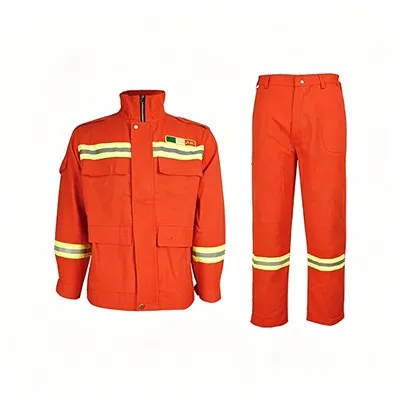
If you’re someone who’s tired of guessing if their clothes are actually protecting them, or if you’re a business needing gear for your team, we’re here to help. Whether you’re a weekend hiker, a landscaper, a mom who spends afternoons at the soccer field, or a company looking to keep your workers safe, our protective clothing is built for real people, real work, and real sun exposure. Hit us up to chat more—we can answer any questions you have, send samples, or help you find the right fit for your needs. No salesy jargon, just straight answers.
Light-duty Fire Pump References
- American Academy of Dermatology. (2023). UV Radiation and Skin Cancer.
- U.S. Environmental Protection Agency. (2022). Ultraviolet (UV) Radiation: What It Is & Its Effects on Your Skin.
- Journal of the American College of Clinical Wound Care. (2021). Protective Clothing as a Barrier Against Ultraviolet Radiation.
- International Organization for Standardization. (2019). ISO 16321-1: Textiles and textile products – Protective clothing against solar ultraviolet radiation.
Zhenjiang Linhao Forest Fire Prevention Equipment Co., Ltd.
Zhenjiang Linhao Forest Fire Prevention Equipment Co., Ltd. is one of the most reliable manufacturers and suppliers of protective clothing in China, featured by quality products and low price. Please rest assured to wholesale customized protective clothing from our factory. Contact us for quotation and free sample.
Address: No.16,Fenghuangshan Road, Runzhou District, Zhenjiang City, Jiangsu Province
E-mail: lh@lhfirefighting.com
WebSite: https://www.lhfirefighting.com/
