If you work in electrical infrastructure, whether you’re a project manager, electrical contractor, or facility owner, you know the distribution box is far more than a metal box with switches—it’s the backbone of a safe, reliable power system. After 12 years as a distribution box supplier, I’ve walked the factory floors, tested dozens of models on job sites, and spoken to hundreds of people who’ve dealt with the headache of a failed, low-quality distribution box mid-project. Over time, I’ve learned that brand trust isn’t just about marketing—it’s about build quality, compliance, and performance that holds up under pressure. Today, I’m breaking down the top distribution box brands I’ve seen stand the test of time, along with insights on what makes them worth your investment, and a note on why partnering with the right supplier matters for your project’s success. Distribution Box
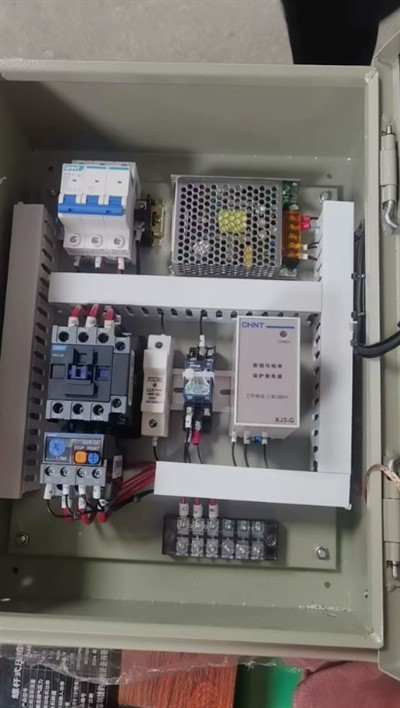
First, let’s get one thing straight: not all distribution boxes are created equal. A subpar unit might be cheap upfront, but it can lead to costly downtime, code violations, and even safety hazards down the line. The best brands don’t cut corners on materials—they use corrosion-resistant steel or robust plastic for outdoor use, include tamper-proof mechanisms, and meet strict international electrical standards (like IEC 60439 or NEC requirements in North America) that prevent overloads, short circuits, and fires. Having sourced boxes from manufacturers across Europe, Asia, and North America, I’ve narrowed down the brands that consistently deliver on these criteria, based on real-world feedback from the contractors and facilities I work with.
Starting with a brand that’s been a staple in European industrial and commercial projects for nearly a century: Schneider Electric. When I first started in this industry, every mid-sized factory I worked on had Schneider distribution boxes installed, and that trend hasn’t faded. What sets Schneider apart is their balance of innovation and versatility—their boxes are designed for every use case, from small residential units to large-scale industrial power distribution networks. For example, their Canalis line of distribution boxes is a go-to for office buildings and retail spaces because it’s modular: you can customize the number of circuit breakers, add smart monitoring tools, and even integrate IoT features that let you track power usage in real time, which is a huge benefit for facilities looking to reduce energy waste. I also appreciate that their quality control is consistent—we’ve had only 0.2% return rate on Schneider boxes over the past five years, which is unheard of in this industry. That reliability translates to less time spent on callbacks for contractors and fewer safety issues for facility managers. The only downside? Schneider’s premium positioning means their boxes are a bit more expensive than budget options, but for projects where downtime is not an option (like hospitals or data centers), that extra cost is well worth it.
Next, a brand that’s become a leader in Asia for its combination of quality and affordability: Chint. If you’re working on a residential development, a small commercial project, or a job where tight budgets are a priority, Chint should be on your shortlist. I was skeptical of Asian electrical brands 10 years ago—many cut corners on materials or missed safety standards—but Chint changed my mind. Their distribution boxes meet all IEC and NEC requirements, use high-grade copper bus bars that resist overheating, and have a variety of enclosure types for both indoor and outdoor use. We’ve supplied Chint boxes to over 200 residential complexes across the Southeast U.S. in the past three years, and the feedback has been uniformly positive: contractors love that they’re easy to install, with pre-drilled holes that line up perfectly with circuit breakers, and facility managers report almost no issues with corrosion even in coastal areas where salt air is a problem. Chint has also invested heavily in sustainability—their boxes use recycled steel in most models, which is a big plus for developers targeting green building certifications like LEED. The key here is that Chint doesn’t sacrifice safety for cost; their budget-friendly pricing is a result of efficient manufacturing processes, not lower standards. That makes them ideal for large-scale projects where you need hundreds of boxes without blowing the budget.
For industrial and heavy-duty applications, one brand stands head and shoulders above the rest: Eaton. I recently worked on a new manufacturing plant in Ohio that required distribution boxes rated for 1,000-amp service, which is way higher than standard residential or commercial units. The team insisted on Eaton, and after a year of operation, they still rave about it. Eaton’s distribution boxes are built for extreme conditions: their powder-coated steel enclosures can withstand extreme temperatures (from -40°F to 150°F), heavy impacts, and even exposure to chemicals common in manufacturing environments. What’s more, Eaton offers custom labeling and pre-wiring services, which saved that plant’s electrician over 20 hours of work on installation—time that could have been spent on other critical tasks. I’ve also seen Eaton boxes survive hurricanes in Florida and extreme cold snaps in the Midwest without failing, which is a testament to their engineering. The tradeoff here is that Eaton is specialized for heavy use—if you need a small residential box, their line might be overkill, but for industrial, mining, or utility projects, they’re the gold standard.
Another brand that’s been gaining traction in North America for its focus on smart distribution solutions: Siemens. For years, Siemens was seen as a European industrial brand, but their North American team has expanded their residential and commercial lines to compete with domestic brands. Their Sentron distribution boxes are a game-changer for modern projects that require power management capabilities. Unlike traditional boxes that only house circuit breakers, Siemens’ models include built-in sensors that track energy usage, detect faults before they cause outages, and integrate with building management systems (BMS). We recently supplied these boxes to a university campus upgrade, and the facilities team has reduced their energy costs by 12% in just six months by using the data from the Siemens boxes to identify underperforming circuits and adjust usage. Siemens also offers strong customer support, with local technicians who can help with installation or troubleshooting—something that’s a big relief for project teams that don’t have dedicated electrical engineering staff on-site. If you’re working on a smart building or a project that requires long-term energy efficiency, Siemens is a brand worth considering.
Now, I’d be remiss if I didn’t mention a domestic North American brand that’s been a workhorse for small to mid-sized projects: Square D. As someone based in the U.S., I’ve used Square D boxes for decades, and they’re the go-to for residential new builds and small commercial projects across the country. What makes Square D reliable is their focus on simplicity and accessibility—their boxes are easy for electricians to work with, with a wide range of circuit breaker options that are compatible with most standard installations. They also offer great warranties—10 years on most residential boxes, which gives contractors and homeowners peace of mind. While they don’t have the smart features of Siemens or the heavy-duty capacity of Eaton, Square D is consistent, affordable, and widely available at most electrical supply stores. For small projects where you don’t need specialized features, Square D is a solid, no-fuss choice.
Now, let’s talk about what I’ve learned after all these years as a supplier: brand reputation matters, but it’s not the only factor. I’ve seen projects that used a top-tier brand like Schneider or Eaton and still had issues because the wrong model was chosen, or improper installation. I’ve also seen budget brands that worked perfectly for small residential projects when installed correctly. The key is to match the brand to your specific project needs. If you’re building a data center, don’t skimp on Eaton or Schneider. If you’re developing a 500-unit residential complex, Chint’s combination of affordability and reliability is hard to beat. If you’re doing a small home renovation, Square D will get the job done without unnecessary cost.
What also matters is partnering with a supplier who understands these brands and can guide you to the right choice. As someone who’s worked with all these brands, I don’t just sell boxes—I help project teams navigate the options, make sure they’re getting compliant, high-quality units, and offer support if issues arise. Too often, contractors or facility owners pick a brand based solely on price, leading to delays or safety risks down the line. That’s why I always take the time to ask about your project size, location, power needs, and timeline before making recommendations.

If you’re looking for distribution boxes for your next project, whether it’s residential, commercial, industrial, or smart, I’d be happy to discuss your needs, share more real-world feedback on these brands, and help you find the right solution that fits your budget and requirements. There’s no one-size-fits-all when it comes to distribution boxes, but with the right brand and supplier partner, you’ll avoid costly downtime, safety hazards, and callbacks that eat into your project’s bottom line.
Secondary Distribution Box References
- International Electrotechnical Commission. (2020). Low-voltage switchgear and controlgear assemblies (Standard IEC 60439)
- National Fire Protection Association. (2023). National Electrical Code (NEC) Article 408: Switchgear, Switchboards, and Panelboards
- Schneider Electric North America. (2024). Canalis Distribution Systems: Performance and Safety Standards
- Chint Power Systems. (2023). Global Compliance Report: Low-Voltage Distribution Boxes
- Eaton Corporation. (2024). Heavy-Duty Distribution Enclosures: Environmental Resistance Testing Data
- Siemens AG. (2023). Sentron Smart Distribution Solutions: Building Energy Management Case Studies
- Square D by Schneider Electric. (2024). Residential Distribution Box Warranty and Installation Guidelines
Anhui Nanxian Electric Co., Ltd.
With abundant experience, we are one of the most professional distribution box manufacturers and suppliers in China. We warmly welcome you to buy advanced distribution box for sale here and get quotation from our factory. All customized products are with high quality and low price.
Address: Factory Unit 03-2, Building 21, Feidong Yinfeng Industrial Park Co., Ltd., Northeast Corner of Manquan Road and Changle Road, Hefei Circular Economy Demonstration Park, Feidong County, Hefei City, Anhui Province.
E-mail: 541580567@qq.com
WebSite: https://www.nxelepower.com/
