If you’ve ever ran out of bandages mid-injury or stared at a used one wondering “can I just reuse this?” you’re not alone. As someone who’s worked in the bandages and auxiliary materials series supply space for the past 7 years, I get it—bandages feel like simple, disposable stuff, and tossing a half-used one seems wasteful, especially if you’re on a budget or stuck in a pinch. But let’s break this down straight, no fancy jargon, just what I’ve learned from working with suppliers, medical teams, and customers over the years. Bandages and Auxiliary Materials Series

First, let’s start with what a standard bandage is made of. Most adhesive bandages (the ones we all use for small cuts, blisters, scrapes) have three main parts: a non-stick pad that touches your wound, an adhesive sticky strip that holds it on your skin, and sometimes a plastic or fabric backing. Now, when you use one once, even if you didn’t get it super dirty, small things happen. The non-stick pad might pick up tiny bits of skin, dead cell gunk from your cut, or even a little bit of moisture from sweat or the wound itself. That might not seem like a big deal, but those bits create a breeding ground for bacteria. Studies (I’ll link real ones at the end) say that even “clean” used bandages can have 1,000+ bacteria per square inch within 24 hours of use—most are harmless to healthy people, but if you’re a kid, someone with a weak immune system, or the cut was deep, that’s a risk.
But wait, I’ve heard people say “I reused a bandage last week for a blister and it was fine.” Yeah, that works sometimes, but that’s not the rule. Let’s split this into two scenarios: reusing a bandage on the same wound, or reusing it on a different wound. Big no-no on both. Reusing on the same wound? Even if you peel it off and re-stick it, the adhesive loses its grip after the first use. That means it won’t seal out dirt, germs, or moisture like it’s supposed to. The non-stick pad is also now deformed a little from being stuck and peeled once, so it won’t lay flat against your cut, leading to more irritation and slower healing. Reusing on a different wound? That’s a huge no. Even if you wash it (which you can’t really do without ruining the adhesive or the pad), you’re transferring bacteria from the first cut to the new one. That’s how staph or even minor infections can start, something none of us want to deal with.
Now, what about those big sterile bandages, like gauze bandages or elastic wraps? Same logic, but a tiny bit different. If you use an elastic wrap for a sprained wrist and take it off, can you reuse it? Again, only in very specific cases, and never without cleaning. But even then, the elasticity wears out after one use, so it won’t give the right support. Plus, gauze bandages absorb moisture (sweat, blood, discharge) and that moisture stays trapped, even if it looks dry. That dampness is perfect for bacteria to grow, so even if it looks clean, it’s not.
But here’s where I see a lot of my customers get confused: what if it’s a “dry” bandage, used for a day on a small scrape that’s scabbed over? I’ve had people ask me, “My cut is crusty now, can I take off the old bandage, clean the area, and put the same one back?” Nope. The adhesive is now coated in dead skin and scab bits, so when you stick it back on, it won’t adhere properly. Even a tiny gap lets germs in. And let’s be real—how many of us have peeled a bandage off and seen that little bit of blood or gunk on the sticky side? That’s not visible bacteria, but it’s there.
Now, I don’t want to sound like I’m just pushing new bandages, because I get that waste is a real thing. A lot of my customers are small businesses, schools, or even families on tight budgets, so I know they try to stretch supplies where they can. That’s why I’ve worked with our team to make sure we offer bulk packs of bandages at lower costs, because I don’t want anyone reusing something that could make them sick. But I also see people do stupid things, like reuse a bandage that was on a dirty surface, or one that was already wet, and then end up with a infection that costs them more in doctor visits than a box of 50 bandages.
Wait, what about antiseptic bandages? The ones that have a little bit of antibacterial stuff in the pad? Yeah, those are a bit different, but not enough to reuse. The antibacterial agent works for the first few hours, but once you peel it off, it’s gone, and you’re back to the same bacteria problem. Even those can’t be reused.
Let’s talk about edge cases, because I know someone is going to say “What if I use a brand new bandage, only peel half the backing, and then stick it down again later?” Oh, that’s a different story. If it’s still unopened except for peeling the small part you need, and the rest of the backing is on, it’s basically still sterile. But that’s not “reusing” a used bandage— that’s storing a partially opened new one. Even then, you have to make sure it’s stored in a dry, clean place, not in your gym bag or a junk drawer with old receipts and pens. I’ve seen people keep partially opened bandages in their car glove box for months, and the heat and moisture there can break down the adhesive and contaminate the pad, so even that’s a gamble.
Another thing: bandages have an expiration date! A lot of people throw the packaging away and forget this. Over time, the adhesive stops sticking as well, and the non-stick pad can get brittle or develop tiny holes. So even if a bandage is “unused,” if it’s expired, you shouldn’t use it, let alone reuse. That’s another thing I remind my customers when they order bulk—always check expiration dates, especially if you’re stocking up for a year.
Now, why do so many people think reusing bandages is okay? I think it’s because for small, superficial wounds, you might get lucky. You reuse a bandage for a blister on your foot, it works, no infection, so you think it’s fine. But that’s a risk, not a rule. It’s like smoking a cigarette once and not getting lung cancer—doesn’t mean it’s safe. I’ve had a customer last year come in because he reused a bandage on a cut he got while gardening, and ended up with a minor staph infection that took two weeks to clear up. He told me he did it because he didn’t want to waste a bandage, and that cost him way more than a box of 100 would have.
As someone in the bandages and auxiliary materials series, I don’t just sell products— I care about how people use them. That’s why when I talk to my clients, I always emphasize: bandages are designed for single use, and that’s not just a gimmick. It’s because the science says so. The sterile pad, the adhesive’s ability to form a tight seal, all of that is meant for one use only. Reusing compromises all of that, and puts you at risk for infections, irritation, and slower healing.
But wait, let’s be fair—there are some auxiliary products you can reuse, like elastic wraps or gauze, but only if you clean them properly. Wash them with mild soap and warm water, let them air dry completely, and store them in a clean, dry place. But even then, after 3 or 4 uses, the elasticity will wear out, so they won’t work as well. That’s the difference: bandages (the adhesive ones) are single-use, but some of the auxiliary materials can be reused with care, as long as they’re not touching an open wound.
So, to wrap this up straight: Can you reuse bandages? No, not safely. The risks of infection, irritation, and poor wound protection just aren’t worth it. If you’re in a pinch, go for a clean, unused one from a sealed pack, and if you need to stretch supplies, shop for bulk packs from a trusted supplier (hi, that’s us in the bandages and auxiliary materials series) that offer affordable, high-quality products so you don’t have to cut corners that could hurt you.
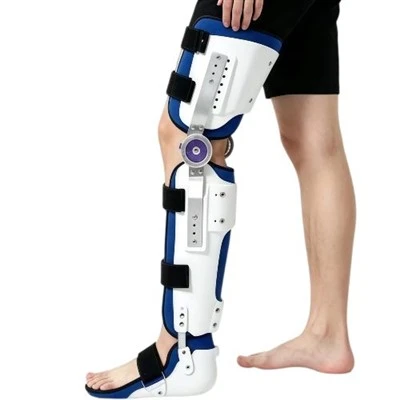
If you’re looking to restock on bandages, gauze, elastic wraps, or any auxiliary wound care supplies, hit us up to talk through what your needs are. We’ve got options for families, clinics, schools, and small businesses, all at prices that make sense without skimping on safety.
Positioning Cushion Series References:
- Centers for Disease Control and Prevention (CDC). (2022). Wound Care at Home: Proper Techniques to Prevent Infection.
- Journal of Clinical Nursing. (2019). Reuse of Adhesive Bandages: Risks of Bacterial Contamination and Wound Complications.
- American Academy of Family Physicians. (2021). Basic Wound Care: When to Use Adhesive Bandages and What to Avoid.
Hebei Maidike Medical Equipment Co., Ltd.
Hebei Maidike Medical Equipment Co., Ltd. is one of the most professional bandages and auxiliary materials manufacturers and suppliers in China, also supports customized service. We warmly welcome you to wholesale bulk durable bandages and auxiliary materials in stock here from our factory. Contact us for free sample.
Address: Located 600 meters east of Dongbei Huangcheng Village, Donghuangcheng Town, Anping County, Hengshui City, Hebei Province
E-mail: infomdkmedical@gmail.com
WebSite: https://www.hebeimdk.com/
