When I chat with new clients or even the folks who’ve been using our metal stamping dies for years, one question comes up way more than you’d expect: “What do I actually need to teach my operators to get the most out of these tools—and keep everyone safe?” It’s a good one, honestly. Half the time, I see either operators winging it (which leads to bent dies, scrap parts, or worse) or companies overcomplicating training with 8-hour PowerPoint sessions that no one retains. As a die supplier, I’ve watched hundreds of operators learn on the job, and I’ve fixed way more broken dies than I can count—so let’s break this down like we actually talk shop, no jargon that makes you zone out. Metal Stamping Dies
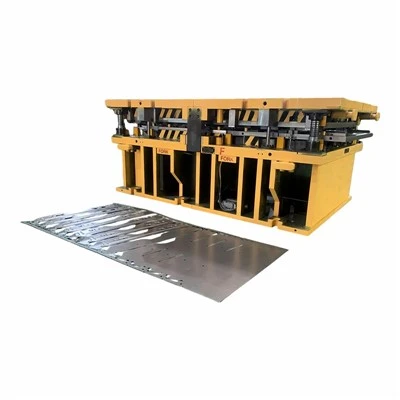
First, let’s start with the basics that most teams skip because they think “it’s just stamping metal.” Wait, no—this is specific to metal stamping dies, not just slapping parts together. Your operator has to know the die like it’s their own work boots. What does that mean? They can’t be the person who sees a new die and just plugs it in. They need to know what each part does: the punch, the die shoe, the stripper plate, the guide pins that keep everything aligned. I’ll never forget a new operator at a small auto parts shop who missed a loose guide pin in a prototype die—ended up ruining $2,000 worth of steel blanks and bending the punch so bad we had to regrind it. That’s not a “skill gap” thing, that’s a “did you actually walk them through every part of this specific die before they ran it?” thing. Every die we send has a quick “part key” sticker on the side (we started doing that after that incident) but operators need to take 10 minutes before every run to confirm that sticker matches what’s actually inside. No cutting corners here—those little parts are the reason the die works at all.
Next up is safety, but not the generic OSHA posters on the wall. This is die-specific safety, not just “wear gloves.” Let’s be real—metal stamping dies are heavy, sharp, and move fast. I’ve had operators tell me “I’ve been running these for 5 years, I don’t need to check the lockout-tagout” right before their boot got crushed by a die half as big as a laundry basket. Wait, lockout-tagout isn’t just for machine power. Before you adjust a die, you have to lock the press, not just turn it off. And if you’re changing a die from a 1-inch steel run to a 16-gauge aluminum run? You have to check the tonnage rating on the die. Tonnage overload is the number one reason we get emergency calls at 7 a.m. on Mondays. An operator cramming too thick a metal through a die designed for thin stuff doesn’t just break a punch—they can warp the entire die shoe, which is a $10,000 repair. So teach them to look at that tiny stamped number on the die side before they even load it. That’s not “extra work,” that’s saving you thousands.
Then there’s material handling and setup, which is where most small shops struggle. Setup for stamping dies isn’t like changing a printer cartridge. It’s aligning two 500-pound metal blocks with a millimeter of accuracy. I’ve seen guys use metal bars to pry dies into place (bad) instead of the soft lifting tabs we weld onto every new die (thank us later). Operators need to know how to use those tabs, and how to adjust the stripper plate—because if that’s too loose, the metal will get stuck in the die and bend the punch. If it’s too tight, you’re wearing out the die way faster than you should. We tell all our clients: send your new operators to sit with a senior setup guy for 3 full runs of each new die. Don’t let them do it alone until they can do it without messing up. I get it—everyone’s in a rush, but rushing setup is how you end up with 50 scrap parts and a broken die.
Now, let’s talk about hands-on problem-solving, because no matter how good your die is, something will go wrong mid-run. The worst thing an operator can do is keep running a die that’s making weird, off-shape parts because they don’t know what to check first. Let’s say you’re stamping a bracket and the edges are jagged. A new operator might keep running it and make 100 bad parts. A good operator will first check if the punch is dull (that’s a quick look—no tools needed) and then check if the stripper plate is aligned. I’ve trained operators to use a simple “stop, check, fix” routine: if parts are off, hit the emergency stop, pull the die up (safely, with lockout), check the obvious stuff, then ask for help if they can’t fix it. That’s way better than letting a bad run waste material and wear out your die faster. Also, know the difference between a small fix (adjusting the guide pin slightly) and something that needs a die repair (a cracked punch). If it’s cracked, don’t keep running it—you’ll break the die completely, and that’s way more expensive than calling us for a quick fix.
Wait, don’t forget about maintenance and documentation. Operators aren’t just running machines—they’re the first line of defense for keeping the die in good shape. After every run, they should be wiping the die down with a dry cloth (no harsh chemicals!) to remove metal shavings. Those shavings are tiny, but if they get stuck between the punch and die, they’ll scratch the parts and wear down the die surfaces. Every few runs, they should check for loose bolts—another thing that leads to misalignment. And documentation? I know, logs are a pain, but if your operator writes down “run 500 parts, adjusted guide pin twice, no issues” after a run, that’s a lifesaver when we get a call saying “this die is broken.” We can look at the log and immediately know if it’s operator error or a manufacturing defect. No logs mean we have to guess, and that slows down repairs (and your production) by days.
Now, let’s get real about who can actually do this. This isn’t a job you can hand to someone off the street after a 1-hour video. You need people who have at least 6 months of hands-on stamping experience, specifically with metal stamping dies. Not just pressing buttons on a CNC machine—die work is different. Even then, they need specialized training on your specific dies, because every die is built a little different. When we sell a new die to a shop, we send a tech out for a day to train the operators, and I swear that’s the best part of our service. It’s not just handing over a box and a invoice—it’s making sure your team knows how to use that die without breaking it.
I also want to address the myth that “operators are replaceable.” No, good operators who know their dies are gold. I’ve seen a shop with $500,000 worth of stamping equipment shut down for 3 days because their only experienced operator quit. Don’t cut corners on training, and don’t treat your operators like they’re just part of the machine. Ask for their input—they’re the ones using the die every day, so they’ll notice when something feels off before it breaks. I’ve had operators tell me “this die runs better if we use oil instead of grease on the guide pins” and that’s saved their shop from a bunch of issues.
At the end of the day, the requirements aren’t some super complicated list from a textbook. They’re common sense, hands-on knowledge, and not cutting corners. If your team knows their die parts, follows safety rules specific to stamping, takes time to set up right, knows how to fix small problems, and keeps up with basic maintenance, you’ll get way more parts, less scrap, and your dies will last way longer. Which is exactly what you want—right?
If you’re a shop owner, production manager, or operator reading this and thinking “I need help getting my team up to speed, or my current dies are acting up,” don’t hesitate to reach out. We work with shops of all sizes, from small family-run places to big automotive suppliers, and we can help with training, die maintenance, or even custom dies built exactly for your parts. No hard sell, just real talk about how to make your stamping runs smoother and cheaper.
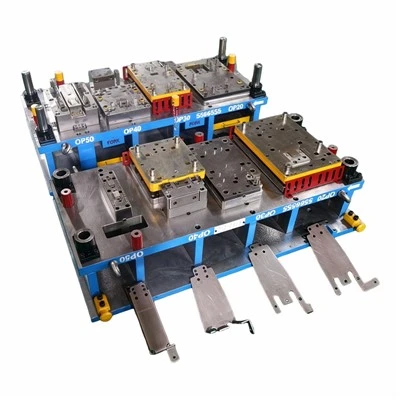
For any references, here are the key resources we lean on for our training and die specs:
- The Metal Stamping Association (MSA) Die Operation & Safety Guide, 2022 Edition
- OSHA General Industry Standard 1910.217: Forging, Presses, and Shears
- Die Design Handbook, 5th Edition by George W. Bosch
Metal Stamping Dies That’s all from me—go check that die before your next run, yeah? Don’t be the guy who learned the hard way.
Dongguan Changdong Tool & Die Co., Ltd.
With abundant experience, we are one of the most reliable metal stamping dies manufacturers and suppliers in China. Please feel free to buy advanced metal stamping dies made in China here from our factory. Good service and quality products are available.
Address: No. 56-B, Fumin South Road, Dalang Town, Dongguan City, Guangdong Province, China
E-mail: sales@stamping-die.com
WebSite: https://www.metalstampingdie.com/
