If you’ve ever needed a part that’s not off-the-shelf—say, a replacement component for an old machine that’s no longer made, a custom bracket for a specialty robotics build, or a unique fitting for a one-off project—you’ve probably heard the term “custom parts processing” thrown around. But what is it, exactly? And why does it matter for so many industries? As someone who’s run a parts processing shop for over a decade, I get asked these questions all the time, and it’s way more than just “cutting metal or plastic to order.” Let me break it down like I would to a regular customer who’s dropping by the shop to ask for a quote. Parts Processing
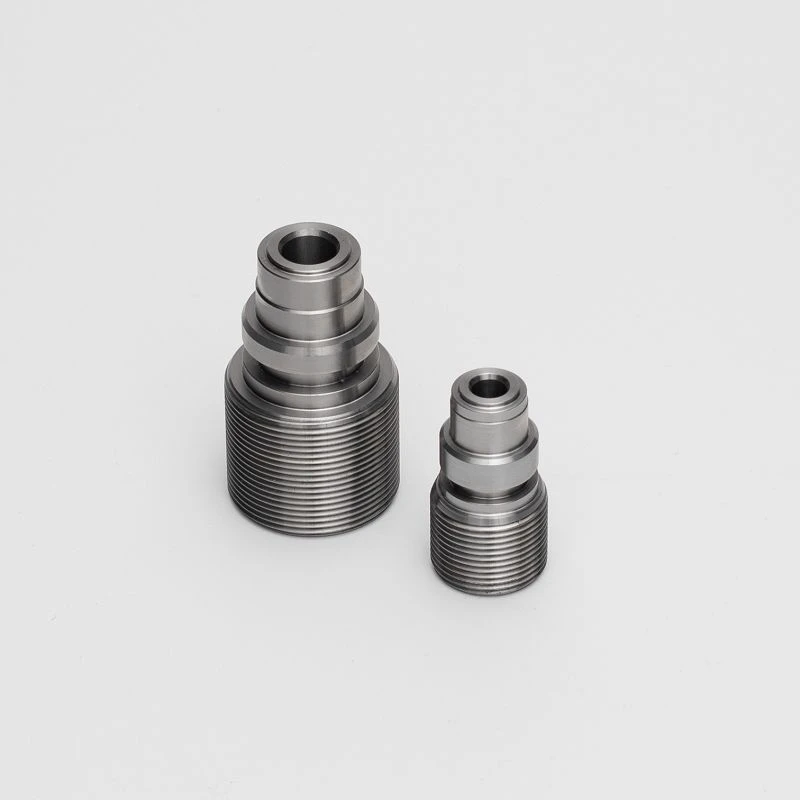
First off, custom parts processing is the end-to-end process of making components tailored to your exact specifications, not just grabbing something from a catalog. It starts way before any machine gets turned on. Here’s the thing: generic parts work for mass-produced products, but if your application has weird constraints—like a tight space in a medical device, a part that has to withstand extreme heat for an oil rig, or a small batch of prototype parts for a startup’s new gadget—off-the-shelf won’t cut it. That’s where we come in. It’s not just about manufacturing; it’s problem-solving.
Let’s walk through how it actually works, step by step, because a lot of people think it’s just “press a button and get a part,” but that’s not true. First, you send over your design. That could be a 2D sketch, a 3D CAD file, even a physical part you want copied (we call that reverse engineering, and we do it a lot for old parts that no one has drawings for). From there, we don’t just say “yeah we can make that”—we do a process review. That’s where we look at your material, your required tolerances (like how precise the part has to be, down to a tenth of a millimeter), your quantity (are you making 1 part or 10,000?), and your timeline. If your design has a flaw that would make the part too expensive to make, or impossible to hold up to your use, we’ll flag that early. No one wants to waste time making a part that doesn’t work.
Next, we pick the right manufacturing method. This is where it gets interesting, because “custom” doesn’t mean one-size-fits-all. If you need a high-volume, simple metal part, we might go with CNC machining or injection molding. If it’s a prototype part you need in a week, 3D printing (additive manufacturing) is a no-brainer, even if it’s not as fast for big batches. For plastic parts, maybe it’s thermoforming. For something super delicate, like parts for aerospace, we might use electric discharge machining (EDM), which cuts metal with sparks instead of a tool, so it doesn’t damage the material. We match the method to your needs, not the other way around. I see a lot of shops push the newest fancy tech even if it’s not cost-effective, but that’s a mistake. If you need 50 parts, 3D printing is cheaper than setting up injection molding. If you need 10,000, injection molding is way more efficient.
Then comes the actual production. We set up the machines, test run a sample, check every detail against your specs, and only after that do we do a full run. No cutting corners here. We do in-process inspections, too—so if a machine drifts a little mid-run, we catch it before we make 1,000 bad parts. At the end, we do final testing: make sure the part fits, holds up to whatever stress you’ll put it through, meets your finish requirements (like sandblasting, anodizing, or painting), and then package it and ship it. That’s the whole cycle.
Now, why is this different from the big box manufacturers who make millions of generic parts? Two big reasons: flexibility and expertise. The big guys are set up for mass production—they don’t care if you need a small batch or a one-off. We do. Last year, a guy from a local brewery came to us with a custom valve part for his craft beer system. The old one was discontinued, and without it, he had to shut down a part of his operation. We made 12 of them, got them to him in 3 days, and he didn’t lose a week of production. That’s the stuff the big shops can’t or won’t do.
Another example: a robotics startup came to us for a prototype of a tiny gripper part. They had a design, but the first prototype they 3D printed was too flimsy. We used CNC machining with a high-grade aluminum, adjusted the tolerance on the hinge so it moved smoothly, and got them a working prototype in 5 days. They ended up going with us for their first 500 production parts too. That’s the custom side we live for—working with people who have unique needs that off-the-shelf can’t meet.
Of course, it’s not all smooth sailing. There are common misconceptions I have to bust all the time. First, people think custom parts processing is only for metal. Nope—we do plastic, rubber, ceramics, even composite materials for aerospace. Second, people think it’s way more expensive than off-the-shelf. Sometimes it is, but not always. If you need a low quantity, the cost of custom parts is way less than buying a generic part that doesn’t fit and modifying it yourself, which could cost you more in time and materials. Third, people think it takes forever. Again, depends on the part, but if you plan ahead, we can turn around small batches in a week. For prototypes, sometimes even faster.
What about quality? That’s the big one. When you get a custom part, it has to work when you install it. If a part fails, it can stop a machine, cost you downtime, even be a safety issue. That’s why we prioritize quality control at every step. We have a full-time quality tech who checks every part against your specs, and we keep records of every run so if you need a replacement later, we can make it exactly the same. For industries like medical, aerospace, or automotive, that’s non-negotiable. We follow all the industry standards, and we’re always up to date on the latest regulations for the parts we make.
Another thing: custom parts processing is adaptable. If you change your design halfway through a run, we can adjust it. If you realize you need a different material, we can switch. The big mass producers can’t do that—their lines are set up for one specific design. We work with you every step of the way, so if your project changes, we change with it. That’s the value of a small, agile parts processing shop.
So, who uses custom parts processing? Literally every industry, it seems. Automotive: custom replacement parts for classic cars, prototype components for electric vehicles. Medical: custom implants, surgical tools that fit specific patient needs. Aerospace: lightweight, high-strength parts that can handle extreme conditions. Robotics: custom end effectors, mounts for sensors. Brewing and food service: custom fittings for equipment that can’t use generic parts. Even consumer goods: people who make custom furniture, art, or unique home products. If you need something that doesn’t exist off the shelf, this is how you get it.
Let me share a recent example that stuck with me. A vintage tractor restoration guy came in with a 1950s John Deere that had a broken steering arm. The part was discontinued by John Deere, and he couldn’t find a replacement anywhere. We took his old arm, did reverse engineering to get the exact dimensions, machined a new one from high-grade steel, added a protective coating to prevent rust, and got it to him in 10 days. He emailed me later saying he got the tractor running again and used it to plow his garden. That’s the real impact of what we do—we don’t just make parts, we help people keep things running, whether it’s a small business machine, a vintage vehicle, or a life-saving medical device.
Now, I know a lot of people out there might have a project in their head right now, but they’re not sure if custom parts processing is right for them. Let me make it simple: if you can’t find the exact part you need in a catalog, if your part has to fit a unique space, withstand a specific condition, or you only need a small quantity, custom processing is the way to go. You don’t have to be an engineer, either—we can work from a sketch, a photo of a broken part, even just a description of what you need. We’ll help you figure out the best way to make it, no jargon, no hidden fees.
At the end of the day, custom parts processing is all about meeting your needs, not a one-size-fits-all template. It’s about listening to what you need, solving your problems, and delivering a part that works when you need it. I’ve been doing this long enough to know that the best projects are the ones where a customer comes in with a vague idea, and we turn it into a part that makes their project possible. No fancy marketing, no overpromising—just honest work, good parts, and reliability.
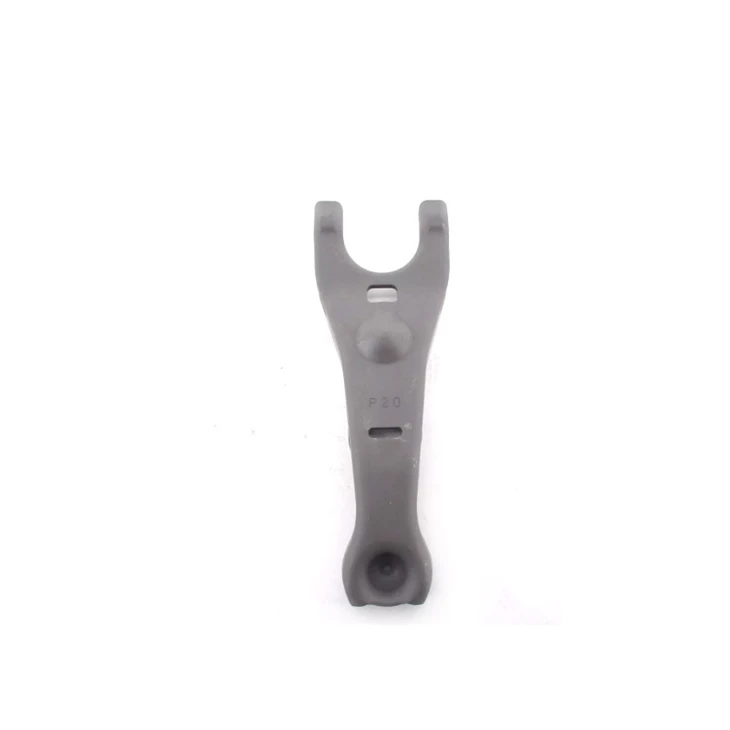
If you’ve got a project, a broken part, or even just a question about whether custom parts processing can help you, don’t hesitate to reach out. We’re here to walk through your needs, give you a fair quote, and make sure you get exactly what you need, no surprises. Whether you’re a small business, a startup, a hobbyist, or a big company needing low-volume production runs, we can help. Don’t waste time modifying generic parts that don’t work—let’s make the exact part you need.
Output Shaft REFERENCES
- ASME B46.1-2020, Surface Texture, American Society of Mechanical Engineers
- ASTM E8/E8M-22, Standard Test Methods for Tension Testing of Metallic Materials
- Custom Manufacturing: Capabilities and Considerations, Manufacturing Extension Partnership (MEP), 2023
- Additive Manufacturing vs. Subtractive Manufacturing: A Comparison, Society of Manufacturing Engineers (SME), 2022
- Reverse Engineering for Industrial Parts, Journal of Manufacturing Processes, Vol. 37, 2019, pp. 456-465
Taizhou Liuhuan Machinery Co., Ltd.
As one of the most professional parts processing manufacturers and suppliers in China, we’re featured by quality products and good service. Please rest assured to buy customized parts processing made in China here from our factory. For quotation, contact us now.
Address: Xinyuan Industrial Zone, Damaiyu Street, Yuhuan City, Zhejiang Province,China
E-mail: tzlhmachining@gmail.com
WebSite: https://www.tzlhmachining.com/
