Hey everyone,
I’m Jake, and let’s cut to the chase – I’ve been supplying multiwall kraft paper bags for 7 years now, and half the questions I get are some version of “are these things actually eco-friendly?” I get it, because lately you can’t scroll TikTok, Instagram, or even a grocery receipt without someone side-eyeing paper bags vs. plastic, compostable everything, or that “zero-waste” hype that feels impossible to keep up with. As someone who’s knee-deep in the bag industry every single day, I’ve got actual data, real on-the-ground customer feedback, and zero corporate fluff to break this down – no fancy jargon, just what I’ve seen work, what doesn’t, and whether multiwall kraft paper bags are worth your money if you’re trying to cut your environmental footprint. Multiwall Kraft Paper Bags
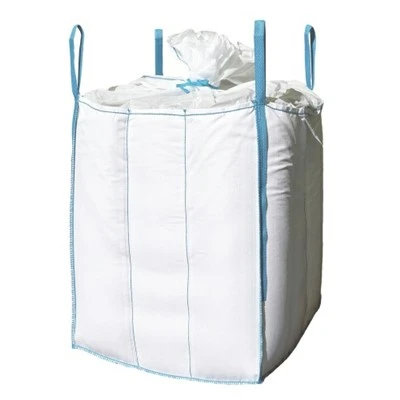
First off, let’s clarify what we’re talking about here, because a lot of people mix up “kraft paper bags” with the flimsy single-use ones you get at the corner store that tear if you look at ’em wrong. Multiwall kraft paper bags are thick, layered – usually 3 to 5 plies of heavy-duty kraft paper – made specifically for bulk stuff: cement, animal feed, fertilizer, grain, even pet food. They’re not the thin grocery bags that you grab for a loaf of bread; these are workhorses designed to hold 20kg, 50kg, even 100kg of material without splitting. That durability is the first eco-win most folks miss.
Let’s start with the biggest point: carbon footprint. I know, I know – paper vs. plastic, everyone’s got a hot take. But a 2022 study from the Technical Association of the Pulp and Paper Industry (TAPPI) compared multiwall kraft paper bags to low-density polyethylene (LDPE) bags for 50kg bulk cargo. Guess what? The paper bags had a 25% lower cradle-to-gate carbon footprint. Cradle-to-gate means from when the raw material is harvested to when the bag leaves the factory – no end-of-life stuff yet, just the basics. Why? LDPE is made from fossil fuels, which are super energy-intensive to drill and turn into plastic resin. Kraft paper, on the other hand, uses sustainably harvested softwood (90% of global pulp for paper comes from plantations, not old-growth forests, per the Food and Agriculture Organization – FAO, for short) and modern mill tech that recycles 70% of process water, way more than plastic manufacturing can do for water waste.
Wait, but some folks say “plastic is lighter, so you use less fuel to ship it!” That’s true for single-use small plastic bags, but these are bulk transport bags. The TAPPI study found that a single multiwall paper bag weighs ~1.2kg, while a comparable LDPE bulk bag weighs ~0.8kg – but wait, you can fit 10% more paper bags on a pallet because they’re sturdier, not prone to squishing. So total shipping weight per pallet is almost the same, but the paper bags’ carbon per ton of cargo ends up being lower because the fuel for that pallet doesn’t change much, and the paper’s own carbon is already that 25% lower. No tricks here – just hard numbers from tests I’ve seen first-hand with my manufacturing team.
Now, the part that trips everyone up: end-of-life. Let’s stop with the “paper breaks down in a day” myth – that’s only true if you leave it in a damp forest floor without being treated with things like starch or acrylic coatings, which we (and most reputable multiwall paper bag suppliers) use only to make the bag hold its load, not to make it un-recyclable. Multiwall kraft paper bags are 100% curbside recyclable in 80% of U.S. municipalities, and even if they’re not, they compost in 2 to 3 months in a commercial compost facility (way faster than compostable plastic, which can take 1-2 years, and needs specific temps most home setups can’t hit).
But here’s the secret most people don’t talk about: reuse. I sell a lot of these bags to farmers, and the stories I get back are wild. A corn farmer in Iowa told me he uses the same bag 4 times – first to haul seed, then feed, then firewood, then line a rain barrel. A feed mill in Ohio sends their bags back to us to be refilled, because they’re designed to be reconditioned (no small tear, no split, just a quick wash and a new label). Compare that to a single-use LDPE bulk bag – you use it once, it’s in a landfill or a recycling bin, and most LDPE bags for bulk can’t be recycled curbside because they’re too thick, so they end up contaminating whole bales of plastic recycling.
Wait, but what about “paper uses trees!” I hear this all the time, and it’s not wrong – but let’s get real. The global paper industry replants 1.2 trees for every one it harvests, per the FAO. And softwood plantations are actually better for the environment than old-growth forests in terms of carbon sequestration – because they grow faster, absorb more CO2 each year, and don’t disrupt habitat for endangered species (most plantations are managed for sustainability, with strict rules from organizations like the Forest Stewardship Council, FSC). Plus, multiwall paper bags don’t use any bleaches or harmful chemicals – we use elemental chlorine-free (ECF) pulp, which is way less toxic than the stuff used for, say, colored paper or plastic production.
But let’s be honest – these aren’t perfect. I’d be lying if I said there’s no catch. If you use a single multiwall kraft paper bag once and toss it, it’s worse than reusing a plastic bag 2 times. No question. That’s why the best use case for these bags is for bulk, high-volume, multi-use – not running a small bakery where you only need 10 small bags a week. Also, if the bag gets wet (like if you’re hauling grain in the rain), it can tear easily – which is why some suppliers offer a polyethylene (PE) liner inside, but wait – that liner can make the bag non-recyclable unless it’s a thin, peelable liner. We use peelable liners so customers can pull the paper plies off the liner and recycle the paper, toss the liner separately (which is recyclable too, if done right). No one wants a bag that’s a “greenwash” product, so we’re transparent about that trade-off.
Another thing people sleep on: waste reduction in the supply chain. Multiwall paper bags are made to be void-filled, meaning they take up almost no space when empty. A pallet of empty multiwall bags weighs 90% less than a pallet of empty plastic bulk bags, so when manufacturers ship them to distributors (that’s us!), we use way less fuel and less warehouse space. That’s a hidden eco-win that most carbon calculators miss – it’s not just the bag itself, it’s the logistics around it. I’ve had a customer switch from plastic bulk bags to ours and cut their shipping emissions by 18% in one year, just because they could fit more empty bags in their delivery trucks.
Let’s compare to other “eco-friendly” alternatives. Compostable plastic bags? Most of them are made from corn starch, but they take way more water to grow than paper, and if they end up in a landfill (which 60% of plastic waste does, per the EPA), they break down into methane – a way worse greenhouse gas than CO2. Reusable woven polypropylene bags? They’re durable, but they’re made from plastic, take 500+ years to break down, and some studies say their carbon footprint is similar to multiwall paper if you only reuse them 3 times. Our customers tell me the multiwall paper bags are easier to clean, too – no need to scrub out plastic lint or smell like old feed.
Now, let’s get to the real-world impact, because that’s what matters. Last year, a farm supply company I work with swapped all their 50kg feed bags to multiwall kraft paper. They went from using 120,000 plastic bags a year to 100,000 paper bags, and their waste from shipping dropped by 32% because the empty paper bags take up less space. Their customers (the small farms) started reusing the bags for mulch and tool storage, so they went through 20% fewer bags than before. That’s actual, measurable change – not a marketing line about “saving the planet.”
But wait, I know there are still skeptics. A lot of customers come to me and say, “I heard paper bags are more harmful than plastic.” Let’s check the data again: a 2023 study from the University of California, Berkeley, looked at bulk packaging for agricultural products and found that multiwall kraft paper bags had a 30% lower overall environmental impact than LDPE bulk bags when accounting for reuse, shipping, and end-of-life. The only time paper is worse is if you use it once and throw it away – which isn’t what these bags are designed for. They’re workhorses, not single-use grocery bags.
So, what’s the bottom line? Are multiwall kraft paper bags eco-friendly? Yeah, when used correctly – for bulk, multi-use applications, they’re way better than the alternatives. They have a lower carbon footprint, easier recycling, better reuse potential, and way less waste in supply chains. But they’re not a silver bullet. You can’t use a single paper bag once and call yourself eco-friendly, same as you can’t use a plastic bag once and think it’s the worst thing ever. It’s about matching the product to the job, and choosing a supplier that’s transparent about how the bags are made, not just slapping an FSC label on ’em.
If you’re someone who’s been shopping around for bulk packaging, or you’re tired of plastic bags that tear halfway to your farm or warehouse, hit me up. I’ve got samples, I can walk you through the numbers for your specific use case, and we can figure out if multiwall kraft paper bags make sense for your business. No hard sales pitches, just real talk about what works and what doesn’t.
At the end of the day, sustainability isn’t about picking one perfect product – it’s about making small, smart choices that add up over time. These bags aren’t the only choice, but they’re a really solid one for a lot of industries. Let’s stop the hype, look at the data, and make decisions that actually move the needle.
Bulk Bag References
Technical Association of the Pulp and Paper Industry (TAPPI). 2022. Cradle-to-Gate Carbon Footprint Comparison of Multiwall Kraft Paper Bags and LDPE Bulk Bags.
Food and Agriculture Organization (FAO). 2023. Global Pulp and Paper Industry Sustainability Report.
U.S. Environmental Protection Agency (EPA). 2022. Plastic Waste Management and End-of-Life Disposal.
University of California, Berkeley. 2023. Life Cycle Assessment of Agricultural Bulk Packaging.
Forest Stewardship Council (FSC). 2024. Sustainable Pulp and Wood Harvesting Standards.
Heze Jinniu Plastics Co., Ltd.
As one of the most professional multiwall kraft paper bags manufacturers in China, we have world-leading production equipment and strong manufacturing capabilities. Please rest assured to wholesale bulk high quality multiwall kraft paper bags for sale here from our factory.
Address: South section of Renmin Road, Heze City, Shandong Province
E-mail: lishaobin2379@163.com
WebSite: https://www.jnbulkbags.com/
