When I walk through our door panel production line each morning, I don’t just see machinery moving, workers assembling, and panels taking shape. I see people—each with hands that handle raw materials, eyes that monitor cuts, and bodies that navigate tight spaces between conveyor belts and stamping presses. For the last 12 years, as a door panel production line supplier, I’ve watched too many near-misses and avoided injuries because of proper safety gear. It’s not just a rule; it’s the foundation of respect for the people who build the lines that build our products. Today, I want to break down exactly what door panel production line workers need to stay safe, why each piece matters, and how even small oversights can turn a routine shift into a dangerous one. Door Panel Production Line

First, let’s ground this in what a typical door panel production line looks like, because safety gear isn’t one-size-fits-all. Our line has four core stages: raw material handling (steel sheets, aluminum profiles, foam insulation), stamping and cutting (hydraulic presses, plasma cutters, saws), assembly (riveting, adhesive application, trim installation), and finishing (painting, powder coating, packaging). Each stage has unique risks, so the gear shifts with the work being done. A worker loading steel sheets won’t need the same gear as someone running a plasma cutter, but there are non-negotiables for everyone on the line.
Let’s start with the most basic, often overlooked, gear: footwear. I’ve seen too many workers show up for their first shift in sneakers, thinking they’re fine—until a 50-pound steel sheet slips off a pallet. Door panel production involves constant movement of heavy materials, and floors are often slippery from lubricants, paint, or foam residue. The right footwear isn’t just steel-toe; it’s puncture-resistant, slip-resistant, and has a metatarsal guard for workers near stamping presses. Our line requires non-slip soles with a deep lug pattern to grip wet or oily floors, and steel shanks to prevent nails or metal scraps from piercing the sole. Last year, a new worker skipped buying proper boots for his first week, and a loose rivet he stepped on left him with a puncture wound that kept him out for three weeks. That’s an easy fix—$80 boots vs. a month of lost wages and physical pain.
Next, eye protection. This is non-negotiable for every single worker on the line. In stamping, metal shavings can fly off cuts at 200 mph; in painting, powder coating mist gets in eyes even if you think you’re wearing a face shield; in assembly, adhesive fumes and small trim pieces can cause irritation. I’ve seen workers use cheap reading glasses instead of ANSI-approved safety glasses, and one time, a tiny aluminum chip hit a worker’s eye just right, requiring emergency surgery that cost our team thousands in downtime and medical bills. The right eye protection here isn’t generic: it needs to have side shields to block debris from the side, wrap-around design to cover the entire eye area, and be impact-rated for stamping and cutting stages. For workers doing powder coating or painting, we add anti-fog, UV-coated lenses that don’t scratch easily. One small upgrade, and that near-miss I witnessed three years ago could have been avoided entirely.
Hand protection is another area where cutting corners leads to injuries. Door panel production uses a mix of raw materials and chemicals, so one glove doesn’t work for all tasks. For raw material handling—lifting steel sheets, carrying foam insulation—workers need heavy-duty leather gloves with a rubber grip to prevent slips and scratches. For stamping and cutting, heat-resistant, cut-resistant Kevlar gloves that can stand up to sharp metal edges and hot press dies. For assembly, when workers are applying industrial adhesives or working with small electrical components, nitrile gloves that resist chemical exposure and are thin enough to feel what they’re doing (no one wants to fumble a rivet because their gloves are too thick). I’ve seen workers use fabric gloves for adhesive work, and the chemical seeped through, causing a rash that sent him to the hospital. The key here is training: workers need to know which glove to use for which task, because a glove that protects against cuts might not protect against chemicals, and vice versa.
Hearing protection is something people often joke about, but it’s critical. Our stamping presses run at 90 decibels, plasma cutters at 95, and conveyor belts at 85—over 8 hours, that’s way above the OSHA limit of 85 decibels. After a 2020 audit, we realized that 30% of our workers were skipping earplugs or earmuffs because they said they were uncomfortable. The problem? Cheap, foam earplugs that get lost or fall out. We switched to custom-molded earplugs that fit each worker’s ear, and added noise-canceling earmuffs for workers who need to be near the loudest stages. The data spoke for itself: in the year after we made the switch, we had zero new cases of noise-induced hearing loss on the line. That’s not just compliance—that’s caring for the long-term health of our team.
Now, let’s get to stage-specific gear, because one size doesn’t fit all. For stamping and cutting workers, the most important extra piece is a full-face shield, not just goggles. Stamping presses have a risk of part ejection—when a metal sheet isn’t aligned correctly, it can fly out of the press with extreme force. A face shield adds a layer of protection that goggles alone can’t, because it covers the entire face from flying debris. Also, for workers operating hydraulic presses, anti-vibration gloves are a must. Long-term exposure to vibrating tools can cause hand-arm vibration syndrome, which is painful and permanent. We provide anti-vibration gloves that reduce vibration by 30%, and schedule regular breaks for workers to rest their hands.
For assembly and finishing workers, the risks are different. Adhesive application means workers are exposed to volatile organic compounds (VOCs), so they need respiratory protection. Not just a dust mask, but a half-face respirator with organic vapor cartridges that filter out the fumes from industrial adhesives and paint. We’ve seen workers wear paper dust masks for adhesive work, and over time, the fumes caused respiratory issues. Also, for workers who are lifting heavy panels to attach trim, back support belts are a key piece of gear. Not just any belt—adjustable, padded belts that fit around the waist and support the lower back, which reduces strain when lifting panels that weigh 40 to 60 pounds. Last month, a worker without a back belt strained his back while lifting a door panel, and had to take two months off work. A $30 belt could have prevented that.
I want to talk about something that’s less talked about: body protection. For workers near conveyor belts and moving machinery, hi-visibility vests are mandatory, because it’s easy for someone to step into a blind spot. But beyond that, some workers need fire-resistant clothing. In our powder coating area, workers are around flammable powders and high-heat ovens, so FR (fire-resistant) jackets and pants are required. I’ve seen a small powder spill catch on a spark from a electrical panel, and a worker in FR clothing didn’t get burned—someone in regular clothes would have been taken to the burn unit. Also, for workers who have to crawl under conveyor belts to fix jams, cut-resistant coveralls protect from scrap metal and sharp edges that stick out under the belts.
Now, it’s not just about the gear itself—it’s about how we implement it. As a supplier, we don’t just sell production lines; we also advise our clients on safety protocols, because we’ve seen what works and what doesn’t. The biggest mistake I see is companies providing gear and then leaving it up to workers to use it. That’s why at our facilities, we do monthly safety training where workers get hands-on practice with each piece of gear. We have “near-miss logs” where workers can report close calls without fear of punishment, and we use those logs to update our gear and protocols. For example, a few years ago, a worker reported that his safety glasses kept fogging up when he was painting, so we switched to anti-fog lenses, which solved the problem.
Another thing: fit matters. Safety gear that doesn’t fit is useless. We don’t give every worker the same size gloves or safety glasses; we measure each worker to make sure the gear fits properly. Too big, and gloves slip; too small, and they restrict movement. For ear protection, custom-molded earplugs are a small investment that makes a huge difference in compliance. I’ve had workers tell me they hated earplugs until we switched to custom ones, and now they never forget to wear them.
I’ve spent 12 years in this industry, and I can tell you that the most successful door panel production lines are the ones that put worker safety first. When workers feel protected, they’re more productive, more engaged, and less likely to make mistakes that lead to injuries. That’s why we design our production lines with safety in mind, and that’s why we prioritize recommending the right gear for every stage of the process.
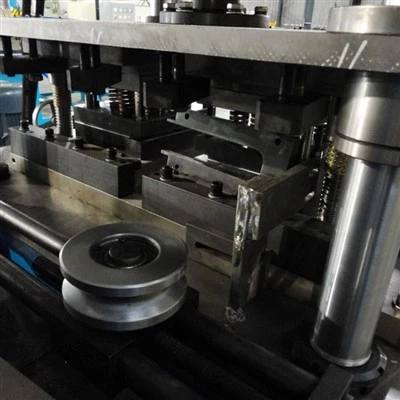
If you’re running a door panel production line and you’re looking to upgrade your safety protocols or invest in new production line equipment, we’re here to help. We don’t just sell lines—we work with you to make sure your workers have the gear and training they need to stay safe. Every worker on your line is a person, and their safety is the most important part of any operation.
Door Panel Production Line References
Occupational Safety and Health Administration (OSHA). (2022). Personal Protective Equipment (PPE) Standards for Manufacturing. U.S. Department of Labor.
National Institute for Occupational Safety and Health (NIOSH). (2021). Hearing Loss Prevention in Manufacturing Settings. Centers for Disease Control and Prevention.
Door and Hardware Institute. (2020). Safety Guidelines for Door Panel Production Facilities. Door and Hardware Association.
Weifang Yue Jun Machinery Co., Ltd.
With abundant experience, we are one of the most professional door panel production line manufacturers in China. We warmly welcome you to buy durable door panel production line made in China here from our factory. We also accept customized orders.
Address: Kuiwen District, Weifang City, Shandong Province
E-mail: adrian@yuejunmachinery.com
WebSite: https://www.yuejunmachinery.com/
